Understanding Auto Window Tint
What Is Auto Window Tint?
Auto window tint refers to a thin film that is applied to the interior or exterior surface of vehicle glass. This film is designed to reduce the amount of sunlight, heat, and ultraviolet (UV) rays that penetrate through the windows. By incorporating various materials and technologies, window tint can enhance your vehicle’s comfort, privacy, and appearance. It’s a popular aftermarket modification for cars, SUVs, and trucks, as it provides numerous benefits beyond aesthetics.
Benefits of Auto Window Tint
Choosing an auto window tint near me offers a wide array of benefits that appeal to many vehicle owners. Here are some key advantages:
- UV Protection: Window tint blocks up to 99% of harmful UV rays, protecting both passengers and the vehicle’s interior from sun damage.
- Heat Reduction: Tinted windows can significantly lower the temperature inside the vehicle, making for a more comfortable ride on hot days.
- Enhanced Privacy: Tinted windows provide an added layer of privacy for passengers and valuables, making your car less appealing to potential thieves.
- Glare Reduction: Tints reduce glare from the sun and headlights, improving visibility for drivers and enhancing safety on the road.
- Aesthetic Appeal: Adding tint can give your vehicle a sleek and sophisticated look, enhancing its overall appearance.
Types of Window Tint Films
The market offers a selection of window tint films, each with its unique properties and purposes. Here are the primary types:
- Dyed Window Film: This film uses dye to absorb heat and provide privacy. It’s often the most affordable option but may not have the longevity of other types.
- Metalized Window Film: Featuring metallic particles, this film reflects heat and UV rays and adds strength, reducing shattering risk.
- Ceramic Window Film: Made from ceramic particles, this film provides excellent heat rejection and UV protection without blocking signals for electronic devices.
- Carbon Window Film: A newer option that blocks infrared rays, carbon films offer a stylish matte finish and excellent durability at a moderate price point.
Choosing the Right Auto Window Tint Near Me
Factors to Consider When Selecting Tint
Choosing the right window tint involves more than just selecting a shade. Here are several factors to keep in mind:
- Legal Requirements: Ensure the tint you choose complies with local laws. Different states have different regulations regarding tint darkness and reflectivity.
- Quality of Film: Opt for high-quality film that guarantees durability and performance. Look for warranties that cover fading, peeling, or bubbling.
- Climate Considerations: Think about your local climate; for instance, if you live in a hot region, you might benefit from a film designed for superior heat rejection.
- Personal Preferences: Consider how dark or reflective you want your windows to be, keeping in mind aesthetics and privacy.
Local Regulations and Compliance
Before selecting a window tint, it is crucial to understand local regulations regarding tint darkness and reflectivity. Many jurisdictions have strict laws about the extent to which windows can be tinted. These regulations often specify the percentage of visible light that must be allowed into the vehicle through tinted windows. Be sure to check your state’s laws to avoid fines or the need to remove the tint.
Finding Trusted Installers
Finding a reputable installer is essential for the success of your auto window tint project. Here are a few tips:
- Research: Look for local shops with positive online reviews and ratings. Websites, forums, and social media can provide insights into the experiences of others.
- Ask for References: Reach out to friends or family who have had window tinting done recently. Personal recommendations can be invaluable.
- Evaluate Experience: Check how long the installer has been in business and their professional certifications. Experience often correlates with quality workmanship.
The Tinting Process
Preparing Your Vehicle for Tinting
Preparation is key to a successful window tint installation. Here’s how to prepare your vehicle:
- Clean the Glass: Ensure all windows are thoroughly cleaned. Dust, dirt, and debris can cause bubbles and affect adhesion.
- Check for Damage: Inspect your windows for any cracks or chips, as these issues will need to be addressed before tinting.
- Remove Accessories: Take off any window trims or accessories that might obstruct access to the glass.
Step-by-Step Installation Guide
The installation process typically involves several key steps:
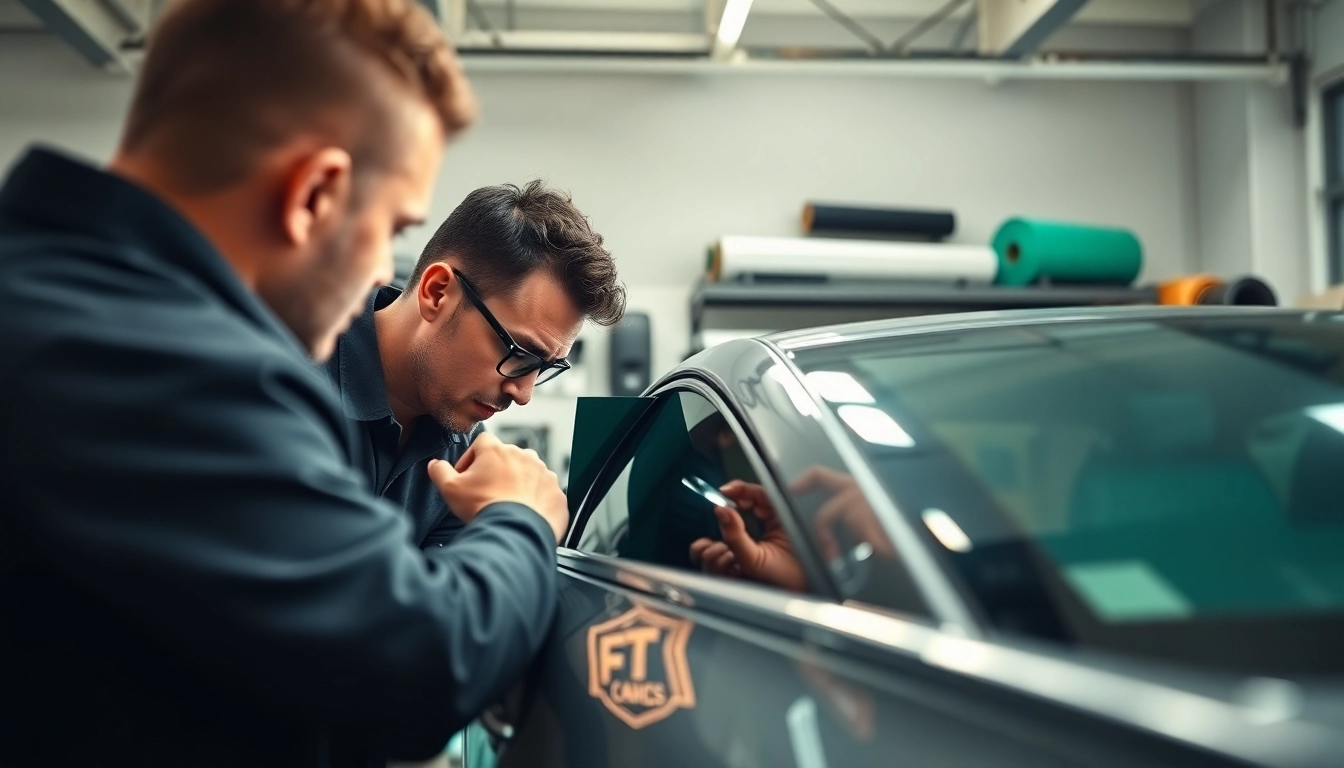
- Cutting the Film: The installer measures and cuts the film to fit each window precisely.
- Application: The film is then applied to the cleaned glass, starting from one edge and moving across. Specialized tools may be used to ensure a smooth application without bubbles.
- Smoothing Out Bubbles: Any air bubbles are carefully pushed out to ensure a flawless finish by using a squeegee or similar tool.
- Trimming Edges: Once applied, excess film is trimmed off for a neat appearance.
- Drying Time: Finally, the installer typically advises a drying time during which the windows should not be rolled down.
Post-Installation Care Tips
After applying window tint, proper care is essential to ensuring its longevity. Here are some key tips:
- Avoid Rolling Down Windows: Refrain from rolling down your windows for at least a few days to allow the film to properly cure.
- Use Soft Cleaning Tools: Clean the tinted windows with a soft cloth and avoid ammonia-based cleaners, as they can damage the film.
- Regular Inspection: Periodically check for peeling or bubbling and address any issues before they worsen.
Common Auto Window Tint Issues and Solutions
Dealing with Bubbles and Fading
One of the most common issues faced by vehicle owners is the presence of bubbles in the tint film. Bubbles can form for various reasons, including moisture trapped during installation or improper application technique. If you encounter bubbling:
- Immediate Action: Small bubbles may dissipate over time but if they don’t, gently press them out towards the edges using a soft cloth or plastic card.
- Professional Help: For larger bubbles or significant fading, it may be best to consult a professional installer for repair or replacement.
Understanding Tint Warranty Coverage
Most quality window tints come with warranty coverage. Understanding what your warranty entails is crucial. Typical coverage might include:
- Fading: If your tint changes color significantly, it may be covered under warranty.
- Peeling: If the film starts to peel away, you should be eligible for a replacement or repair under your warranty.
- Failure of Adhesion: If the tint separates from the glass without outside force, this issue is also commonly covered.
When to Seek Professional Help
While DIY installations can be tempting, certain situations warrant professional assistance. Consider these factors:
- Experience Level: If you’re unfamiliar with installation techniques, professional installers can often achieve better results.
- Complex Shapes: Vehicles with complex window shapes may require specific tools and techniques only professionals possess.
- Repairs or Removal: If existing tint needs repair or removal, professionals can do so without damaging the glass itself.
FAQs About Auto Window Tint Near Me
How long does window tint last?
Quality window tint can last from 5 to 15 years, depending on the film type, installation quality, and maintenance.
Can I tint my own car windows?
While DIY tinting kits are available, professional installation is recommended for the best results and warranty coverage.
What is the best tint for my vehicle?
The best tint depends on your needs; consider factors like climate, aesthetics, and local regulations when choosing.
How can I find auto window tint services nearby?
Use online searches, local directories, or ask for recommendations from friends to find reputable window tinting services in your area.
Are there any legal tint restrictions in my area?
Yes, tint regulations vary by state; always check local laws for permissible tint levels and reflectivity before application.